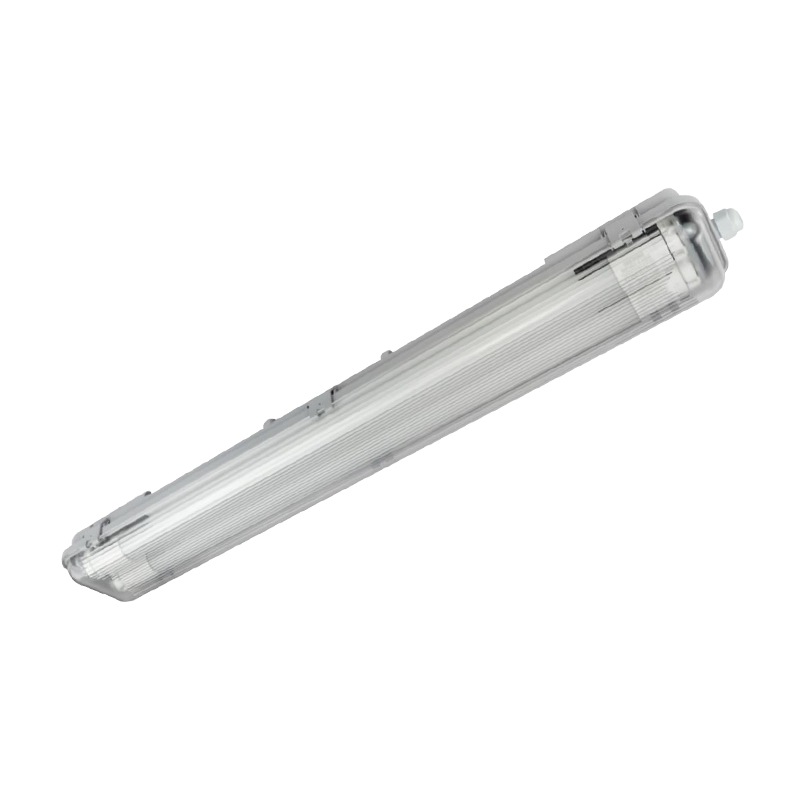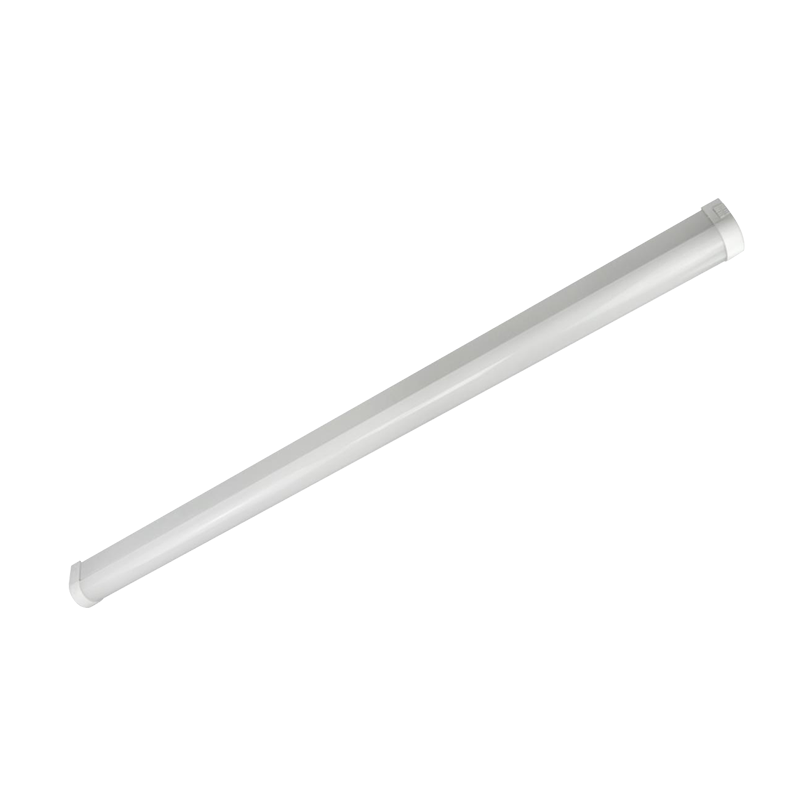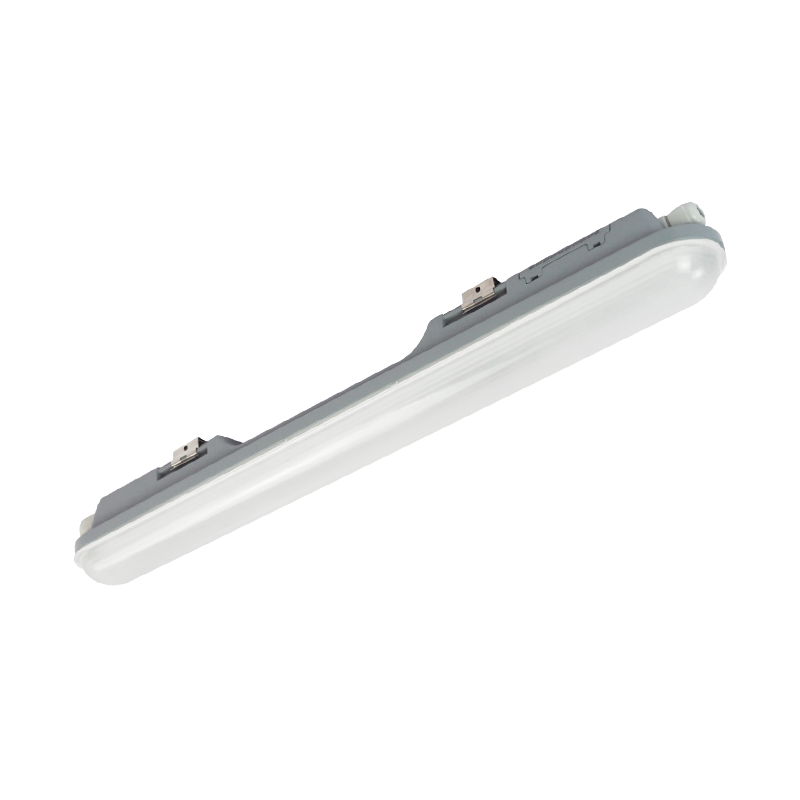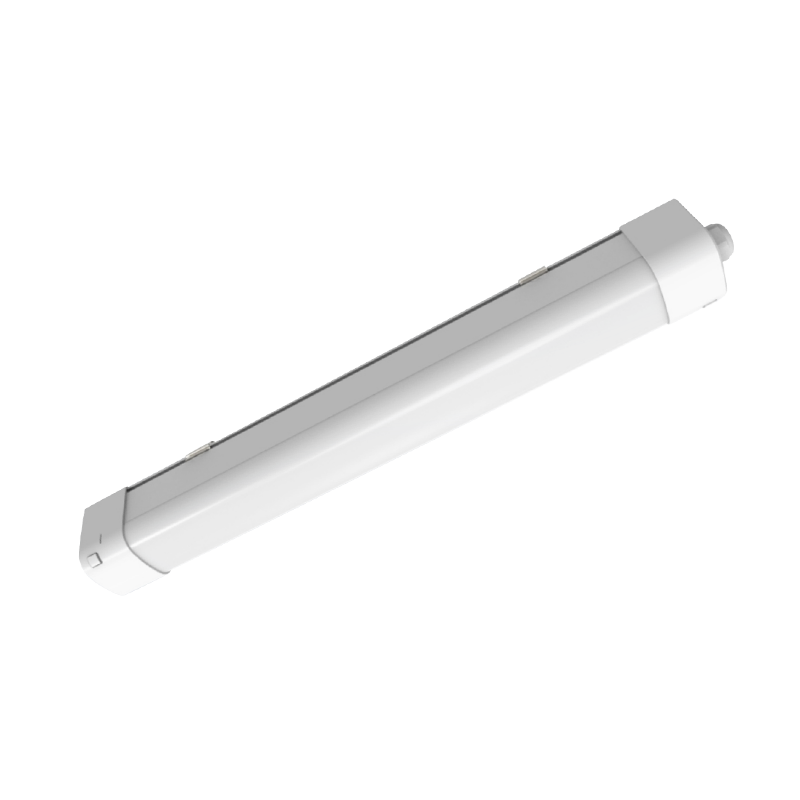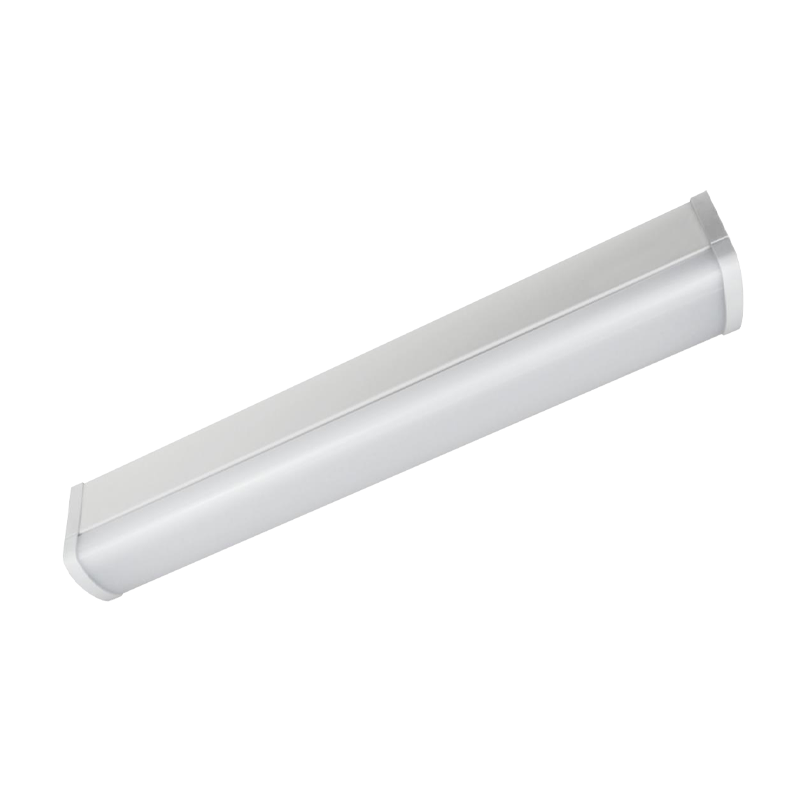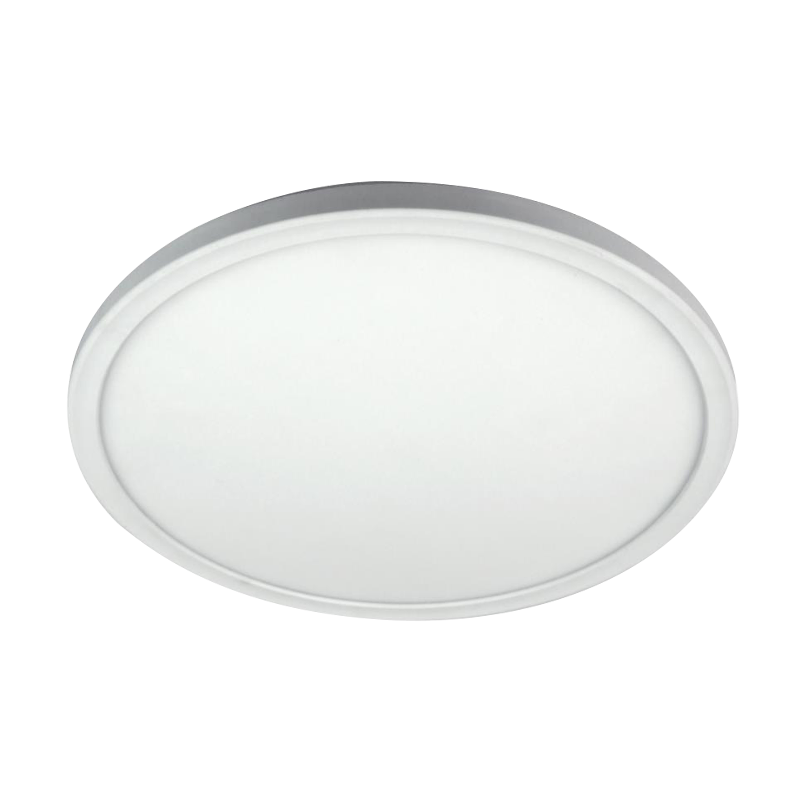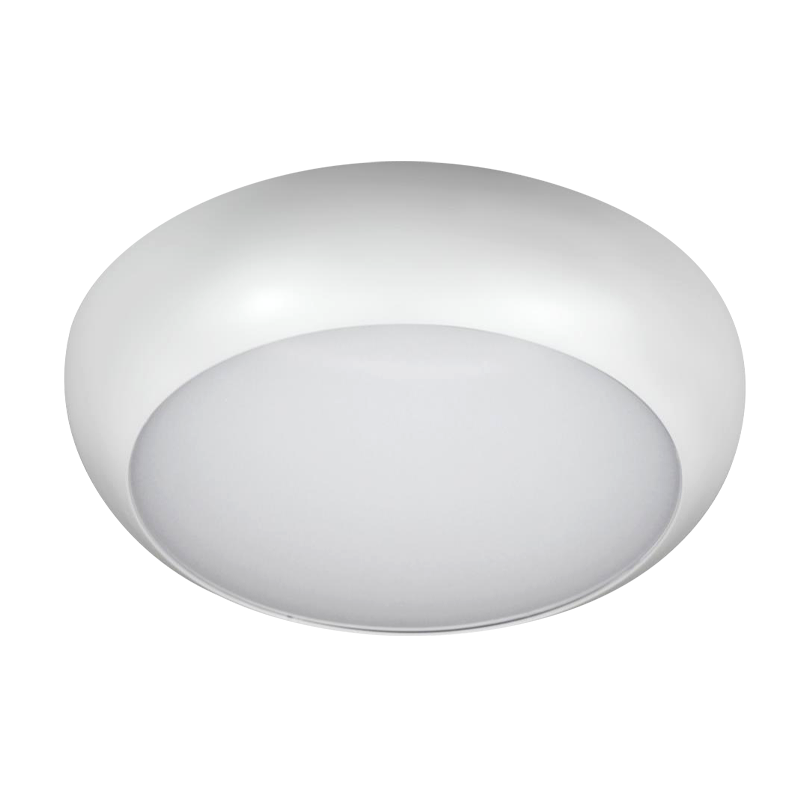


In the electrical design of modern industrial and commercial buildings, the lighting planning of external walls, underground passages, and safety escape routes is of paramount importance. This is not only related to the energy efficiency of daily operations, but also directly affects life safety during unexpected power outages. As the most robust and reliable category in architectural lighting, led bulkhead light has become a core configuration in heavy industrial plants, warehousing and logistics centers, commercial complexes, and residential public areas by virtue of its high protection rating and multi-functional integration.
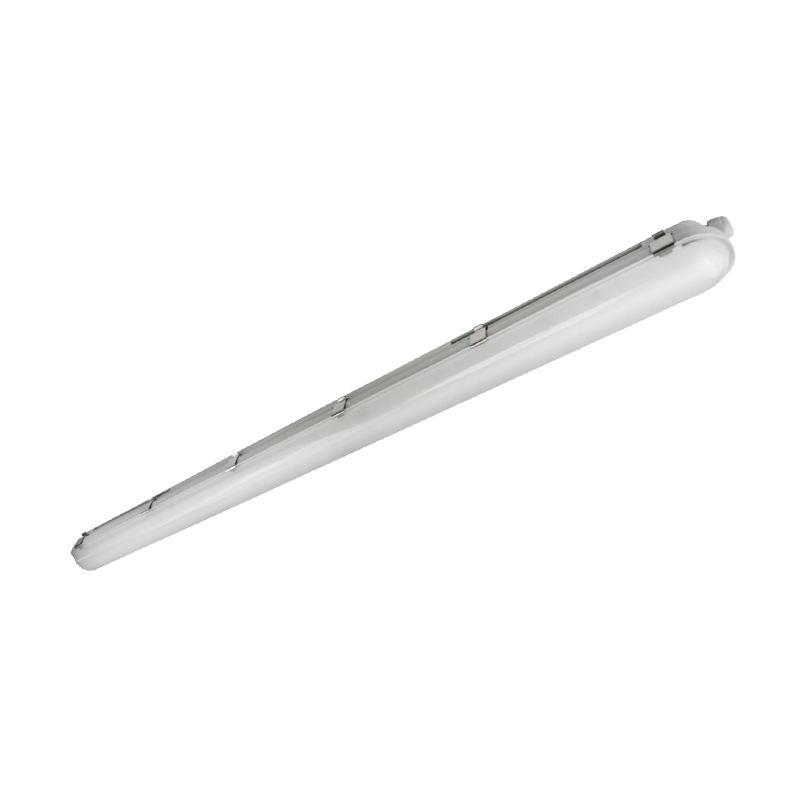
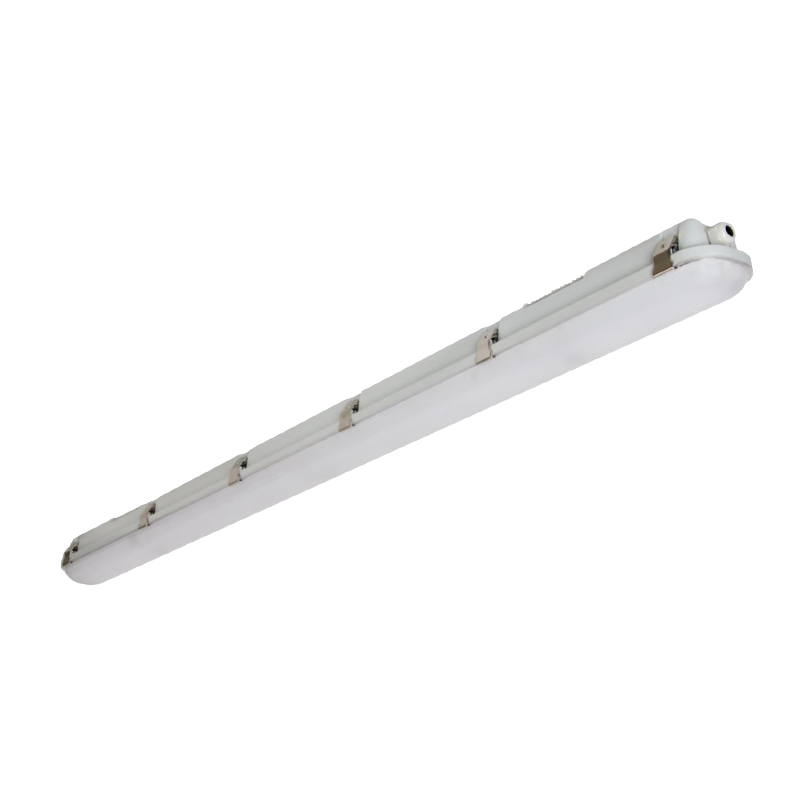
Traditional outdoor lighting equipment often suffers from housing embrittlement or water ingress failure when facing harsh weather, dust, and mechanical impacts. Modern outdoor bulkhead light has undergone a comprehensive innovation in structural design. Adopting high-impact polycarbonate (PC) or die-cast aluminum alloy housings, combined with anti-aging silicone sealing rings, enables the entire luminaire to easily achieve a dustproof and waterproof rating of IP65 or above, as well as an impact resistance rating of IK08 to IK10.
This high-specification process ensures that outdoor bulkhead light can work stably in extreme environments from minus 20 degrees Celsius to high temperatures of 50 degrees Celsius. On building facades, under elevated bridges, on ship docks, and in damp underground tunnels, it provides uniform, non-glaring light.
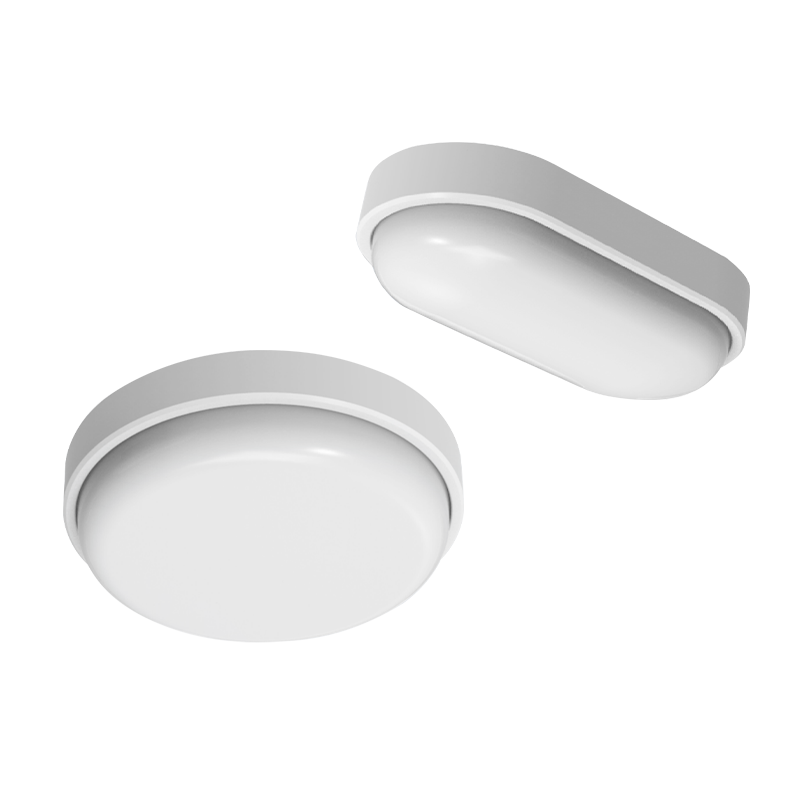
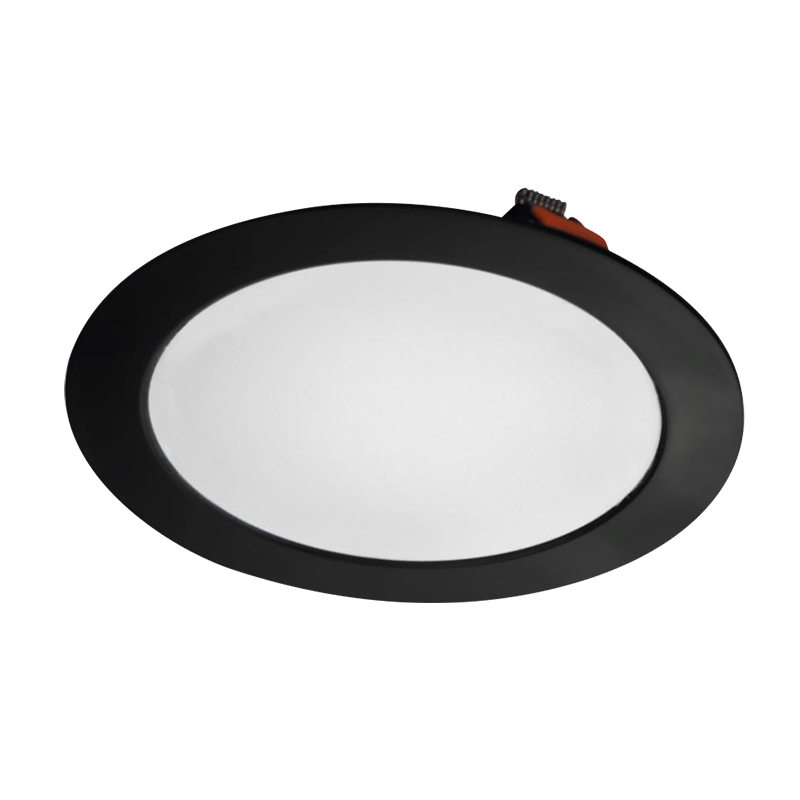
Meanwhile, for modern buildings pursuing visual unity and spatial aesthetics, round bulkhead light provides a smoother geometric contour. The rounded lines can blend perfectly into various architectural facades. Through the soft diffuse cover, it eliminates glare and ensures that the beam angle can cover a wider ground area, effectively reducing safety hazards caused by light blind spots.
While meeting daily lighting needs, responding to sudden power outages, fires, and other emergencies is the core requirement of public buildings. This requires the introduction of systematic support from led emergency bulkhead technology.
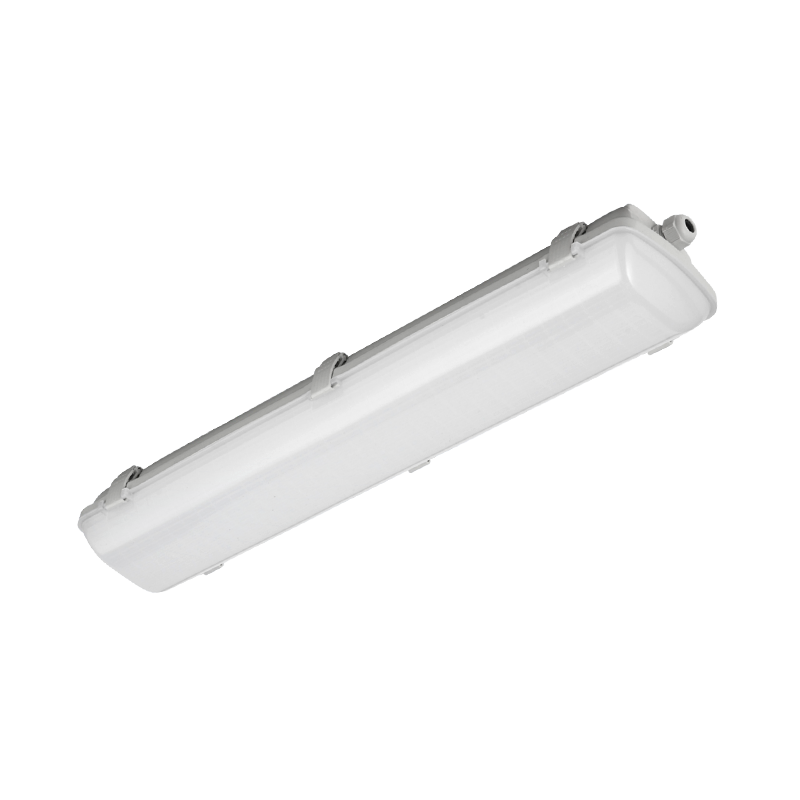
A conventional bulkhead wall light is only connected to the main power supply, while a professional emergency bulkhead light incorporates an intelligent charging management system and high-energy-density battery packs (such as Lithium Iron Phosphate LiFePO4 or high-temperature Nickel-Cadmium Ni-Cad batteries). When the mains power supply is normal, the luminaire is in a state of charging or main lighting. Once the mains power is interrupted due to a fault, the internal switching circuit will respond within microseconds, automatically switching the power supply to the emergency battery to drive the LED chips to keep emitting light, ensuring that escape routes, stairwells, and critical equipment rooms maintain the legally required core illuminance.
In specific product selection, it is usually divided into Maintained and Non-Maintained modes:
In order to facilitate precise selection by electrical engineers and engineering procurement personnel, the key technical parameter comparison between standard daily lighting luminaires and high-specification emergency integrated luminaires is listed below:
| Parameter Items | Standard led bulkhead | High-Performance led emergency bulkhead |
| Input Voltage | 220-240V AC 50/60Hz | 220-240V AC 50/60Hz |
| Mains Power Consumption | 10W - 24W | 12W - 15W (Including charging state) |
| Mains Lumen Output | 1000 lm - 2400 lm | 950 lm - 1200 lm |
| Emergency Lumen Output | None | 320 lm - 650 lm (Optimized by optical lens) |
| Emergency Duration | None | 3 Hours or more |
| Battery Specification | None | 3.6V / 7.2V Ni-Cad or LiFePO4 |
| Protection Rating (IP / IK) | IP65 / IK08 | IP65 / IK10 |
| Self-Test Option | None | Optional DALI / Intelligent chip timed self-test |
The maintenance cost of lighting systems in the later operation of engineering projects is often a huge expense. Especially for bulkhead light installed at high altitudes or on building external walls, frequent replacement of light sources or batteries consumes a lot of labor.
Modern high-performance led bulkhead light generally adopts a tool-free lid opening design, fixed by buckles or anti-drop screws, which greatly shortens wiring and fixing man-hours. For emergency systems, high-level led emergency bulkhead introduces an intelligent Self-Test function. The luminaire housing is equipped with prominent LED status indicator lights (usually green and red), and the internal microcontroller automatically performs monthly functional tests and annual 3-hour discharge tests. If the battery ages, capacity decays, or the light source fails, the indicator light will issue an alarm through different flashing frequencies. Maintenance personnel do not need to climb ladders to disassemble and test one by one, but can accurately locate faulty equipment just by ground inspection.
By rationally arranging round bulkhead light and long-lasting emergency bulkhead light, buildings can not only meet strict fire protection acceptance standards, but also bring excellent comprehensive benefits to owners with industrial-grade performance of low attenuation and low energy consumption during years of operation cycles.



No.8, Ankang West Road, strada Zonghan, Cixi City, provincia Zhejiang, P.R.China
0086-574-6320 0283
Copyright © Ningbo Longer Lighting Co., Ltd.
Toate drepturile rezervate.